a blog of short and medium length ttrpg thinking posts
Showing posts with label arms and armor. Show all posts

Sunday, July 7, 2024

stop me if you've heard this before

Sometimes, the Ref may ask for a roll of the dice. The most common type of roll is a d20 roll.
The \gm sets a difficulty class (DC) and whoever is making the choice rolls the die and adds a modifier. If the total is at least equal to the DC, the actor gets what they want. Otherwise, they may fail or need to pay some price to succeed.

If a roll is a contest between two characters, the DC is equal 9+ the total modifier of the target. Otherwise, see below for guidelines on setting DCs.


What is this?
Basically I'm pretty set on a lot of the specific mechanics for my 3e-derived game. Here I'm trying to stretch myself and present only the stuff that's not about character creation, on account of that being the section of the ruleset I have a tendency to work too hard on without drawing the rest of the owl.

The form of what follows, presenting DCs by task rather than by skill (haven't included a skill list in here, but it will be much less granular than these categories) follows the first D&D Next playtest packet. The actual numbers are largely based on a d20ification of this analysis of the hidden d6 skill system of OSE/BX.

Friday, November 10, 2023

fantastic journeys, powered by BIRG

This is a hack of TFT and, to a lesser extent, GURPS. The main novelties are in the readiness/experience rules and in the injury and recovery rules. It's not quite complete, there's no list of skills or special abilities, but I think it's enough to share. Use your favorite list of skills and make up abilities if you want.

Characters have three attributes:

  • Dexterity (DX), used for physical rolls
  • Strength (ST), used for endurance and overpowering
  • Wits (WT), used for mental rolls.
Human characters have a minimum of 8 in each attribute.

Characters succeed at difficult tasks if a roll of 4d is less than or equal to their adjusted attribute. If they have a skill specific to the task, they roll 3d instead. A roll of 4 or less always succeeds, even if the attribute is adjusted to lower than this.

If two characters are directly opposed, they both make rolls. If both would succeed, the character with the higher roll does. On an exact tie, or if both fail, they are in a deadlock.

Thursday, December 30, 2021

power tools (towards HULK RATS)

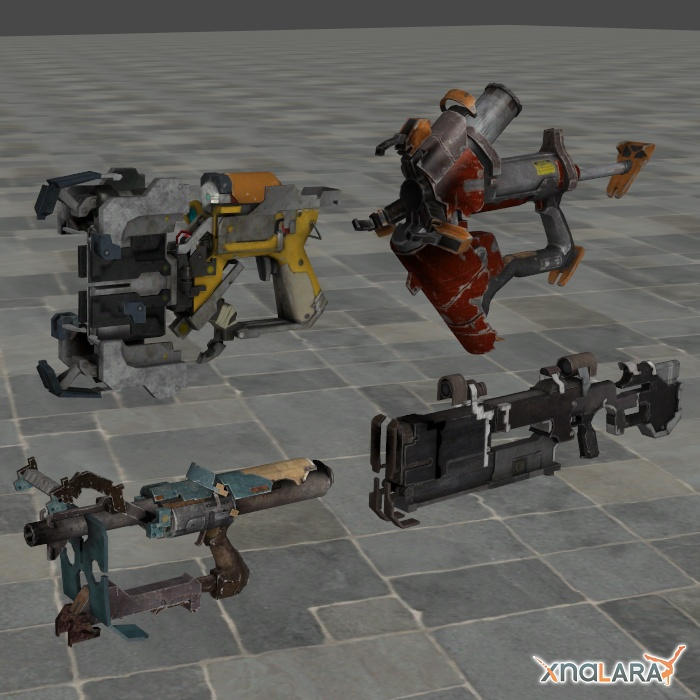
I have spent too much time thinking about first person shooters for someone who has not played one in years. Here's a sketch of a system encompassing scifi power tools (and, correspondingly, guns). This was written with a (forthcoming? who knows) mashup of Orbiter's Local 519 and Maze Rats in mind, working title: HULK RATS.

Sunday, September 5, 2021

towards a 3e hack

The third edition of D&D was my first exposure to it and to roleplaying games in general. Although I haven't played it in years and it does a thousand things I find frustrating, but it retains a draw for me. The more I learn about other editions of the game, earlier and later, the more I find myself appreciating parts of the vision for 3e. It's a design itch I don't feel that I've fully scratched yet, so here is some work I've done in various areas towards a 3e-based hack. The one sentence pitch is like: what if third edition was more like into the odd, but it also only used d20s and d6s for some reason.

This post is not going to go into any character creation mechanics (classes, templates, feats, etc) because it's still pretty unclear to me how I'd like those to work.

woodcut of an angel and a skeleton, both holding downward-pointing arrows